.gif)
Websites that win awards, and increase traffic.
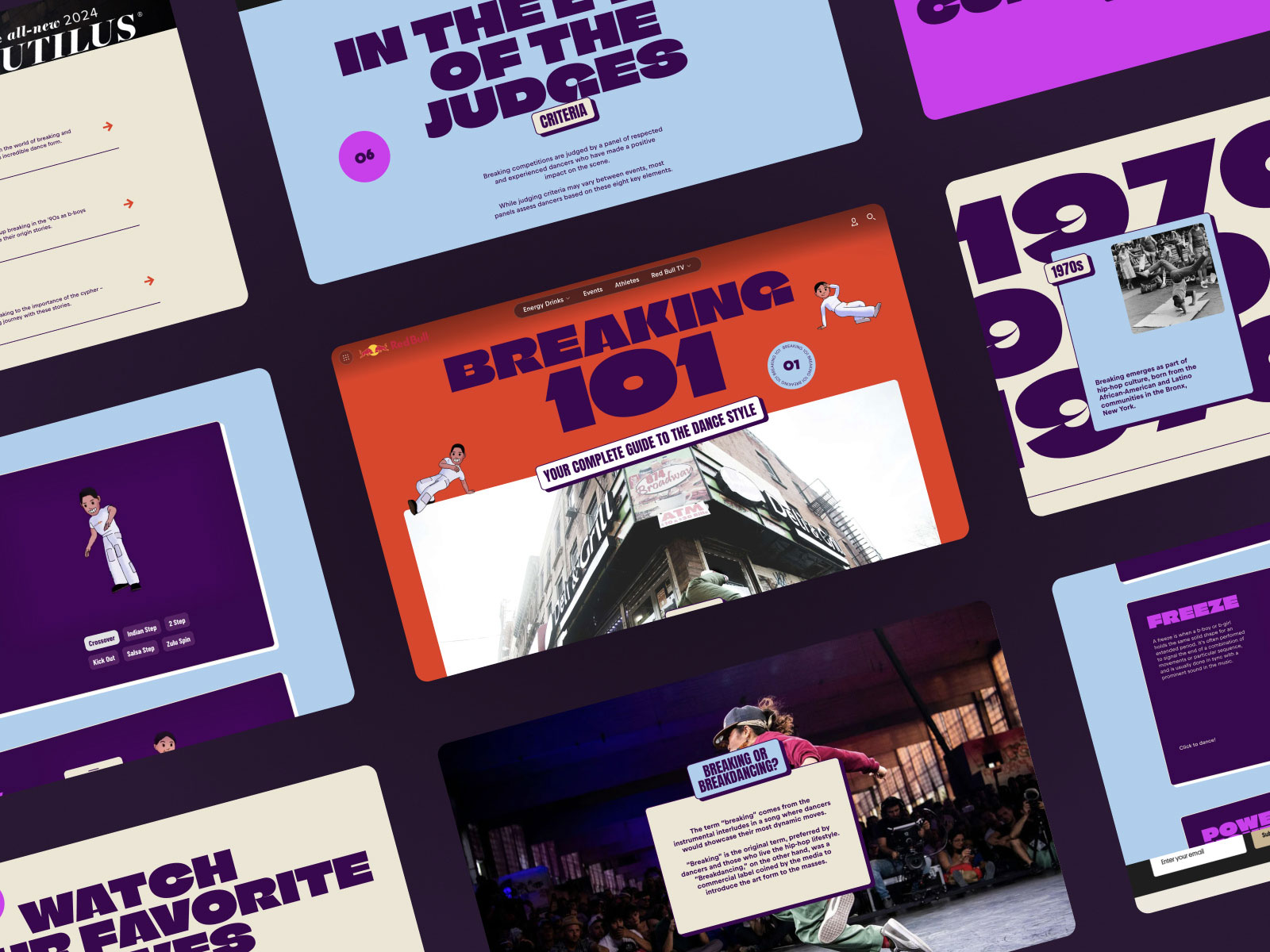
Everyone needs confirmation they've done a good job, 'moved the needle' and made a difference. Winning awards makes your clients feel great but increases your team motivation too.
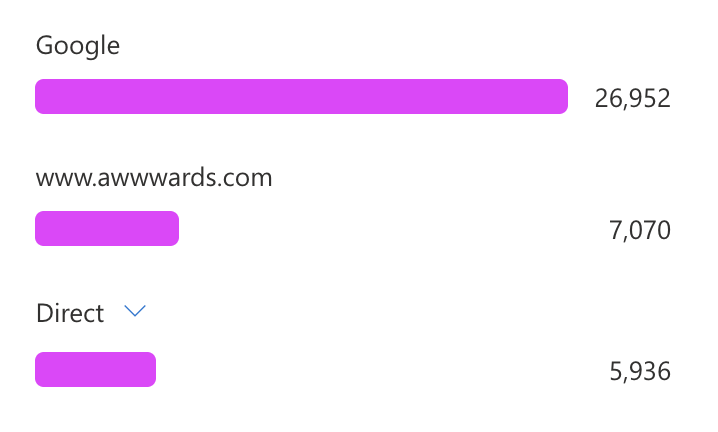
Instead of just bragging, I thought you'd want to know what tips & tricks that got us noticed as well as spiking their visitor traffic by up to 60%!
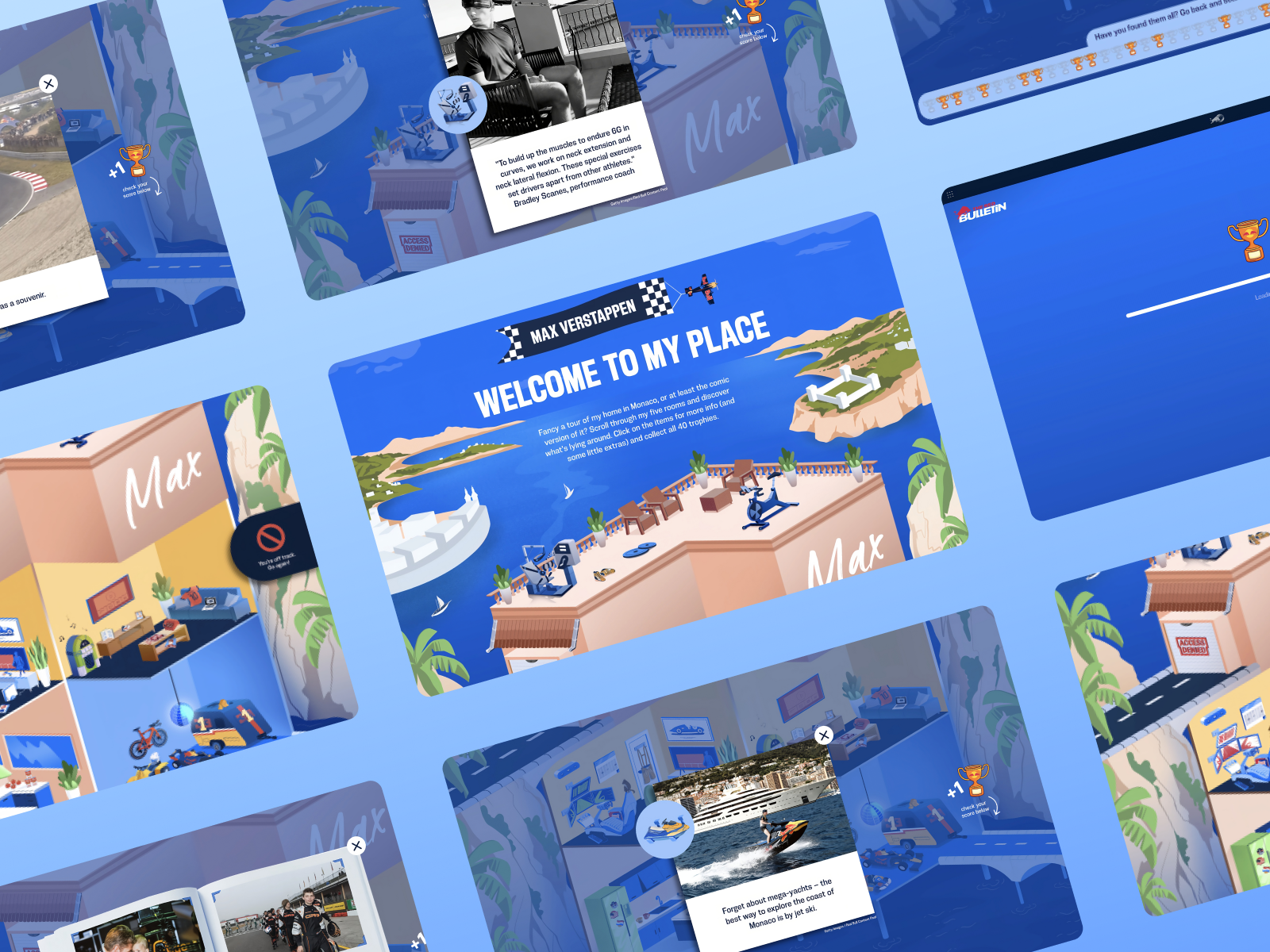
Red Bull: Exploring Max's Mansion
1. Design, not just decoration
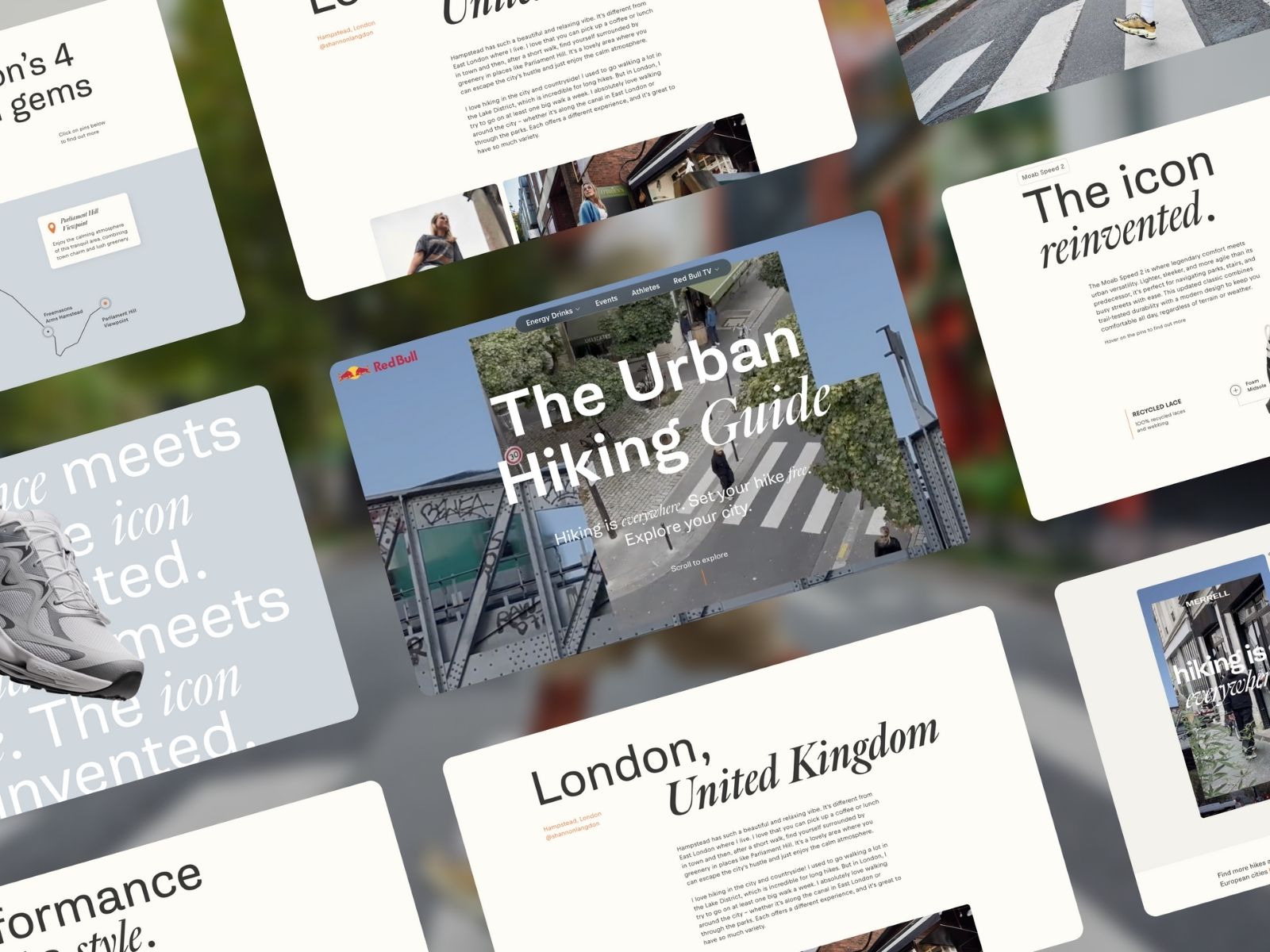
The strongest work has a clear visual system that makes the story easier to follow: pacing, hierarchy, contrast, restraint. We often obsess over the parts most people rush: the typography, the spacing, the micro transitions, and how the design behaves when the content shifts on scroll.
Lessons we've learnt:
- Dark backgrounds and edge to edge visuals increase dwell time
- Define contrast between sections
- Don't rely on Unplash images from the first 10 that appear on searching
- Use quirky designed typefaces sparingly for hero's and never long quotes
- Always consider your designs across multiple break points.
2. Usability, not just easy
Award-winning sites have UX that keeps the pace moving and users able to quickly find what they need. The best ones use scrollytelling to pull you down the page (you don’t want it to end), while still giving you clear ways to jump around when the experience is bigger than a single scroll. A huge unlock for us has been building microsites with CMS-driven sections, so the experience stays alive long after launch, without us being involved.
Lessons we’ve learnt:
- Scrollytelling should reward every few scrolls, try and avoid “dead zones”
- Give people orientation: chapter markers, progress cues, clear section titles
- Mega menus are worth it when there’s depth, don’t bury your best content
- CMS sections keep microsites up to date without redesigning the whole thing
- Test nav and interactions on mobile first, not as an afterthought
3. Creativity, not just “more”
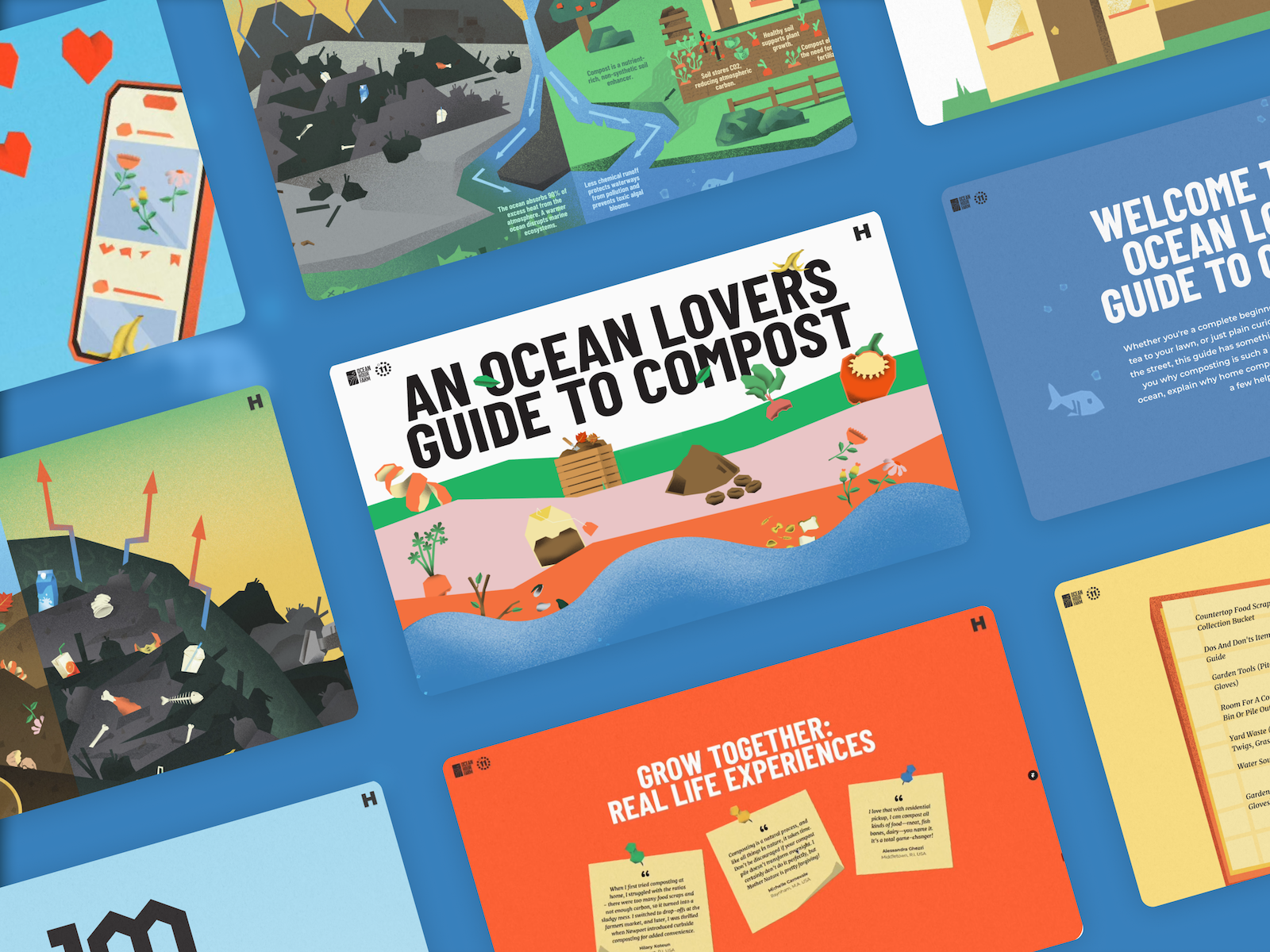
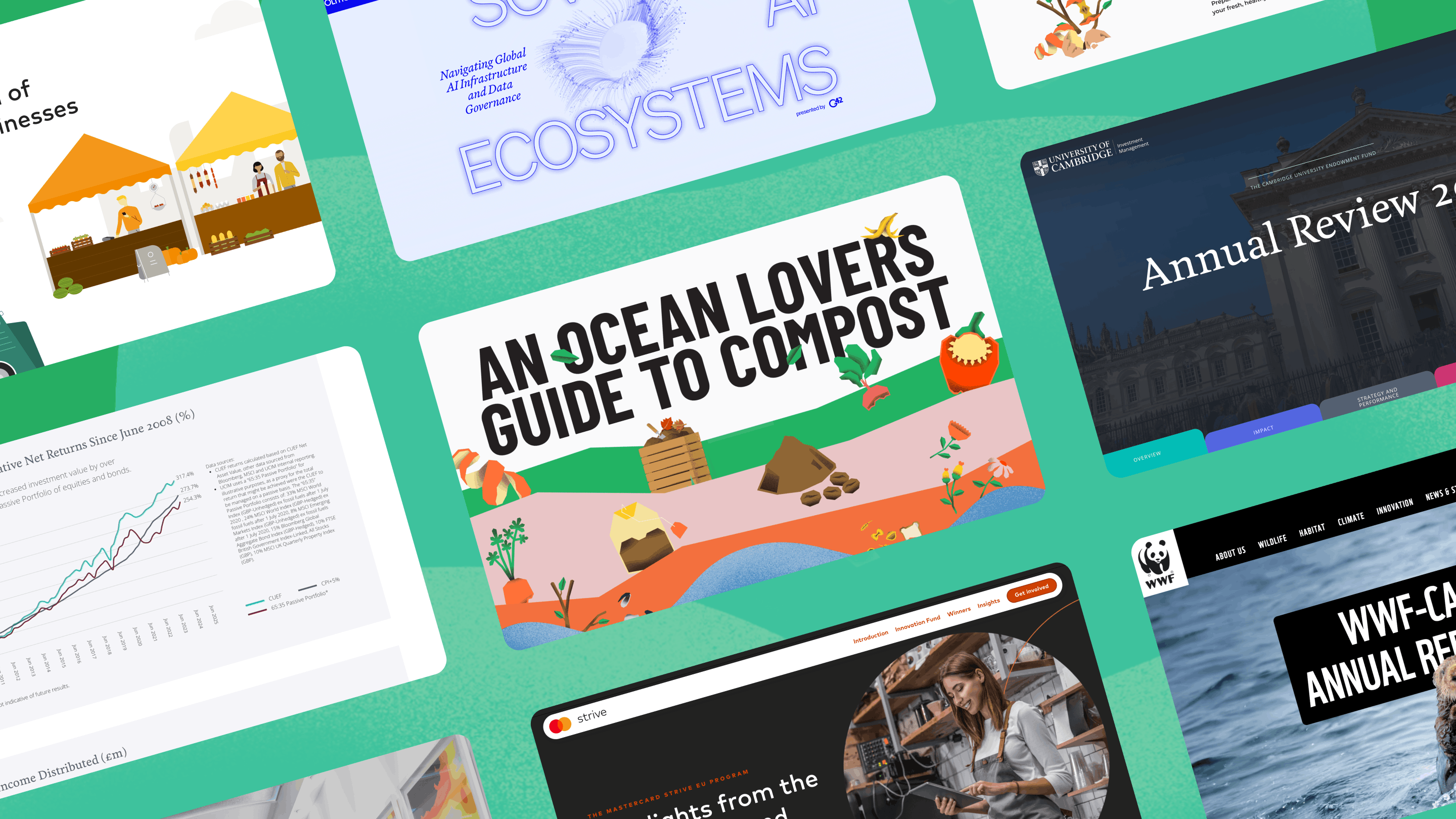
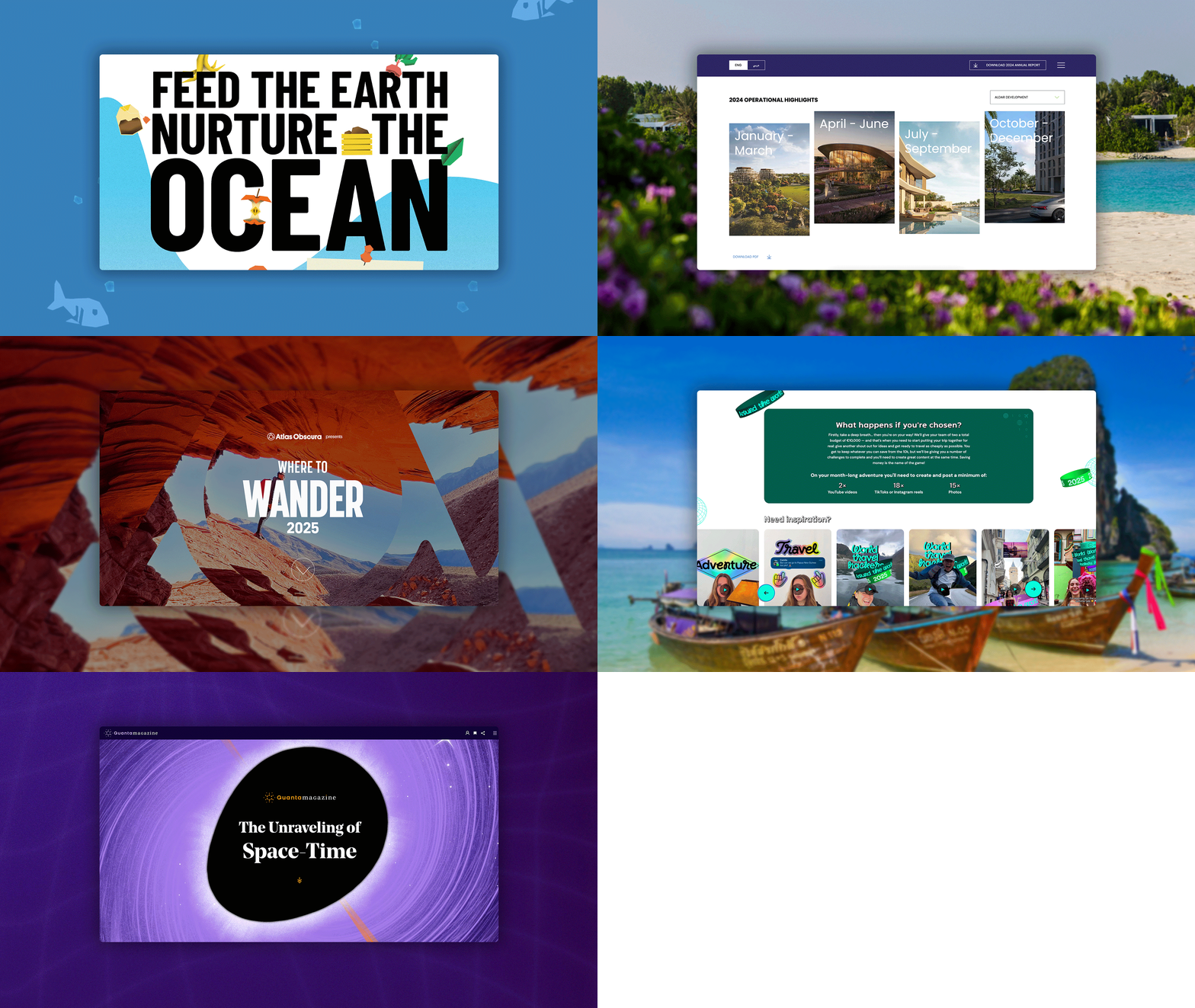
The most memorable entries usually have one distinctive creative idea, executed with discipline. In five of our winning projects, the difference was utilising custom illustration or 3D modelling. It's totally bespoke to the client, not stock and not templated. It creates a world that feels ownable, and it’s instantly recognisable in a sea of similar layouts.
Lessons we’ve learnt:
- Custom illustration / 3D gives something truly tailored
- One strong creative concept beats five half-ideas every time
- Use motion as storytelling, use micro animations to compliment
- Create “moments” (reveals, interactions) that feel earned, not random
- Bespoke craft should support clarity — beauty and comprehension
4. Content, not just copy
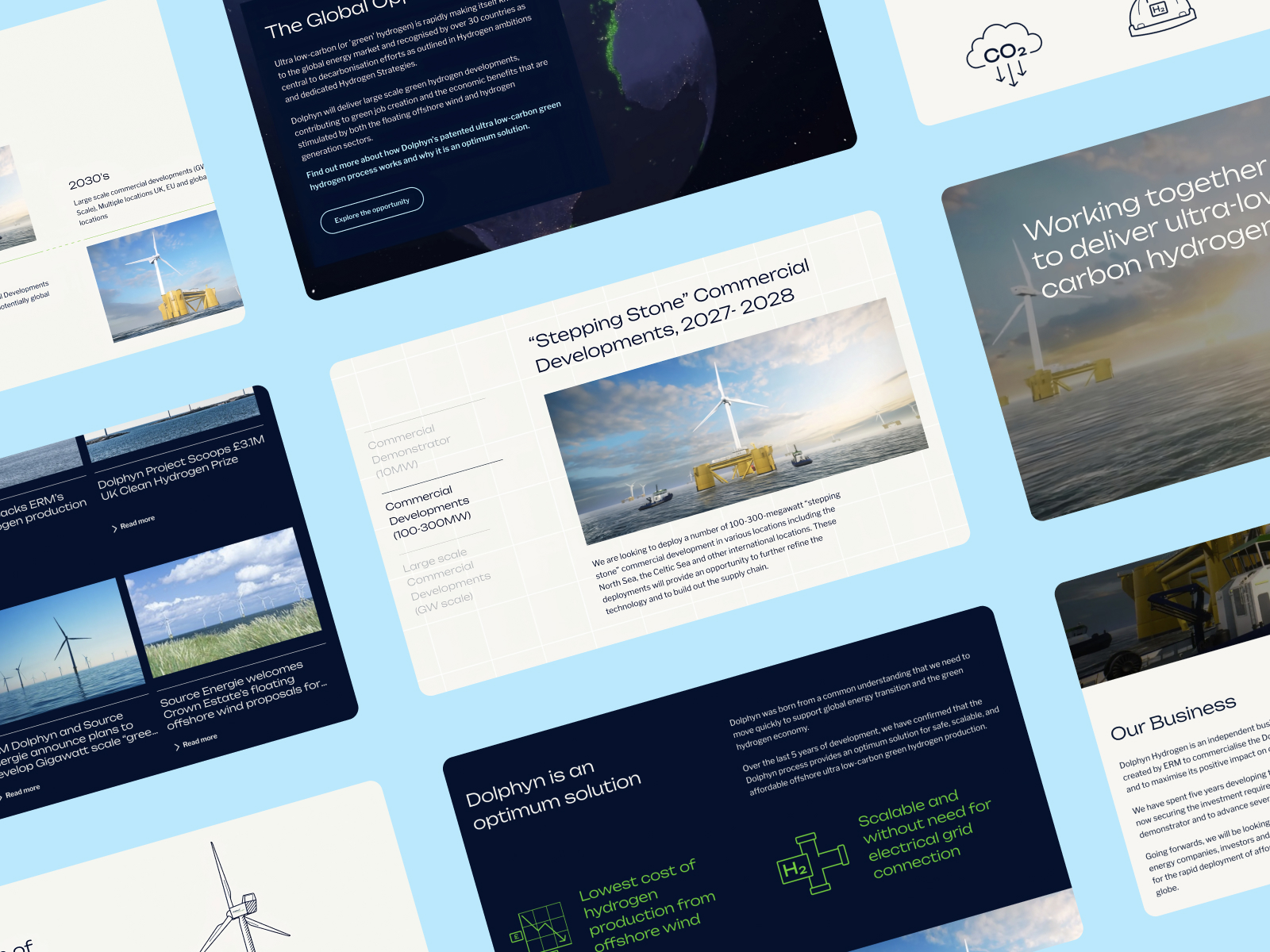
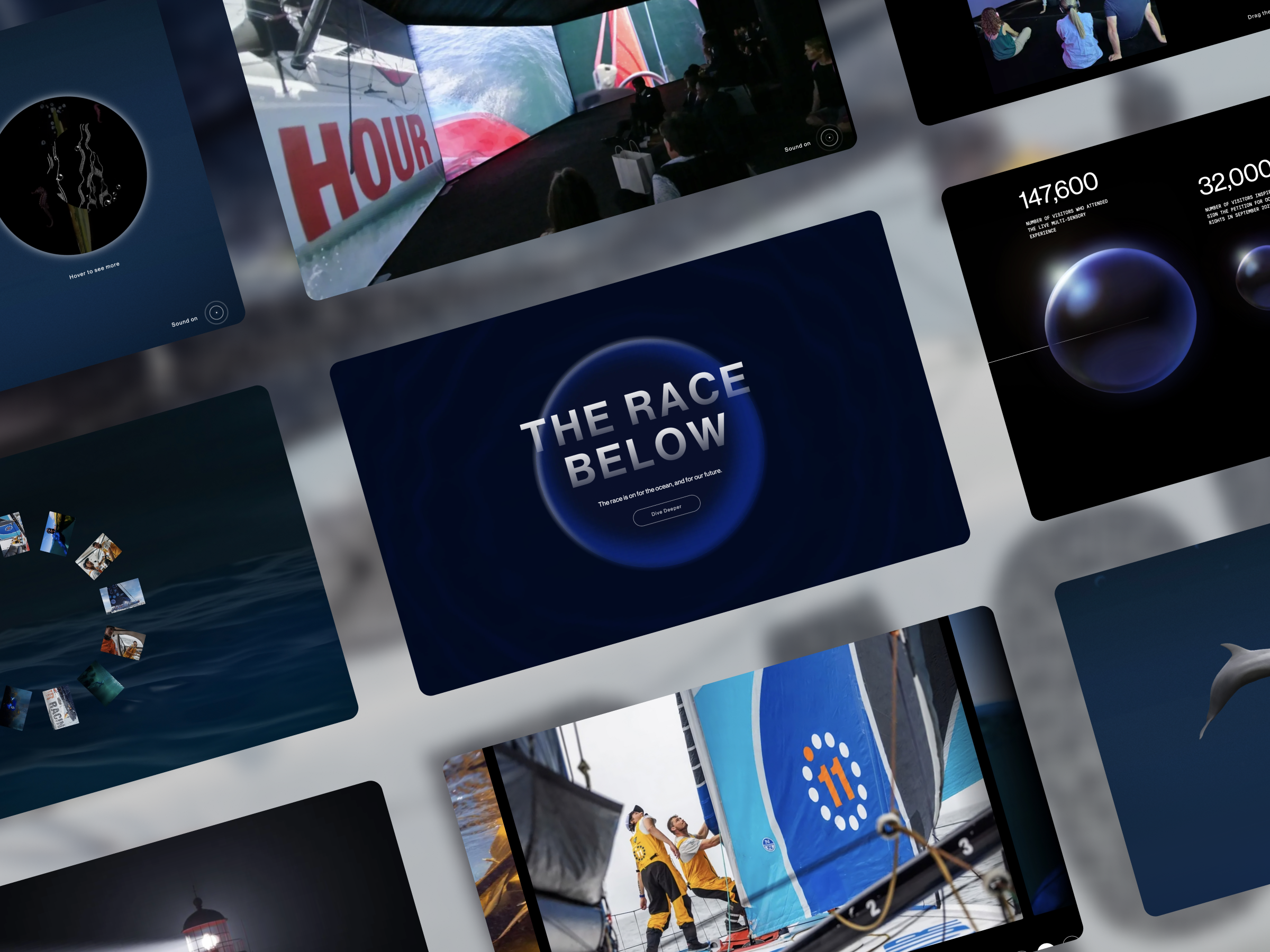
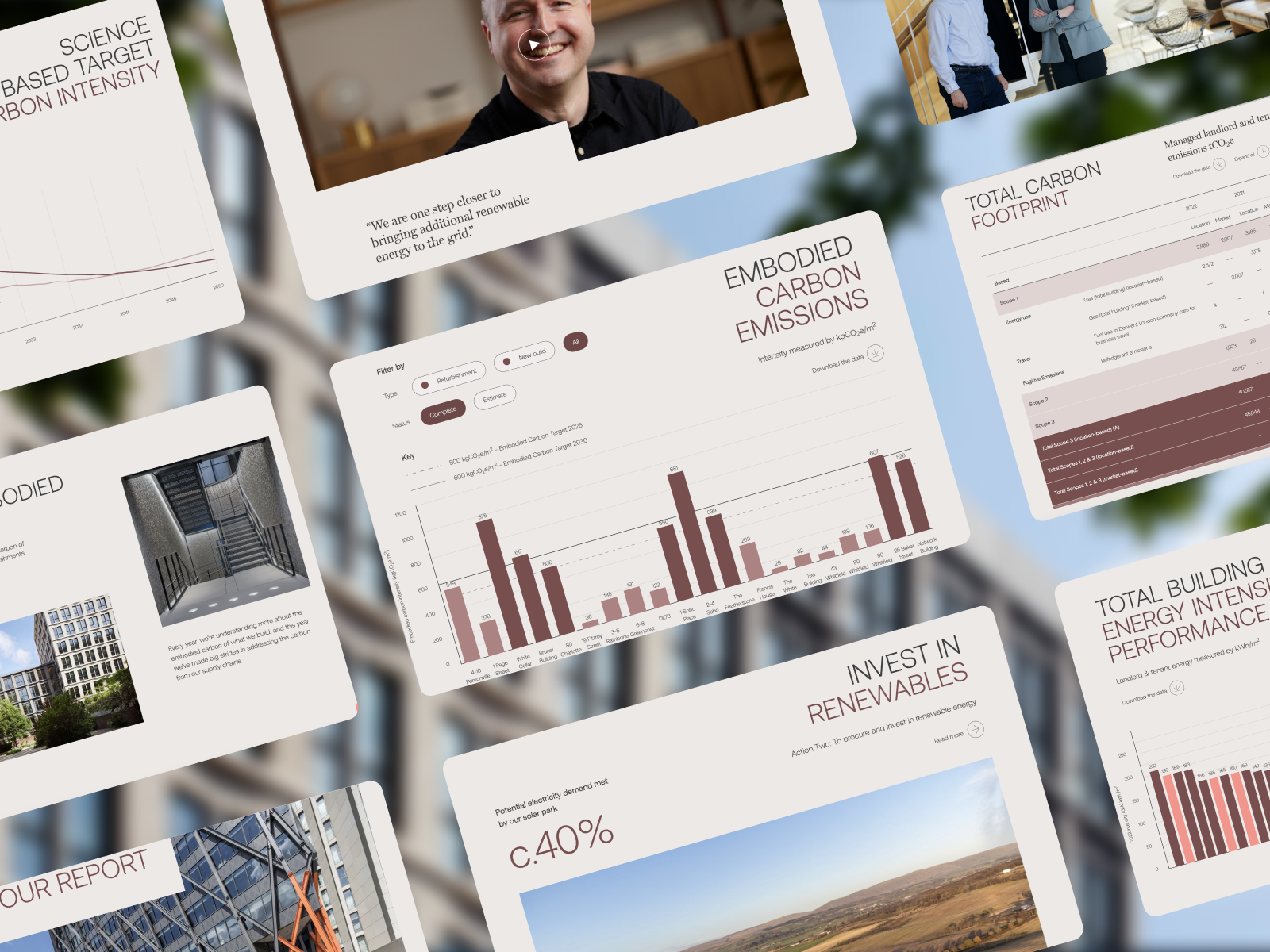
Even though Awwwards weights content lowest, it’s the emotional engine in the work that wins. The projects that perform best tend to have something real at the centre: passionate sports stories, human energy, or climate-focused missions. We also notice we win most when the story aligns with what we care about building.
Lessons we’ve learnt:
- Start with a clear narrative arc — beginning, build, payoff
- Make the message scannable: strong headings, short blocks, punchy captions
- Let the content dictate the pacing — don’t force the same template
- Use data sparingly, but make it visual when it matters
- Purpose-led stories land hardest — #CreatingStoriesThatMatter
What’s a Rich Text element?
The rich text element allows you to create and format headings, paragraphs, blockquotes, images, and video all in one place instead of having to add and format them individually. Just double-click and easily create content.
Static and dynamic content editing
A rich text element can be used with static or dynamic content. For static content, just drop it into any page and begin editing. For dynamic content, add a rich text field to any collection and then connect a rich text element to that field in the settings panel. Voila!
How to customize formatting for each rich text
Headings, paragraphs, blockquotes, figures, images, and figure captions can all be styled after a class is added to the rich text element using the "When inside of" nested selector system.


5. Collaboration, not just the platform
Our 10 wins span Webflow , Vev , Ceros and Framer — which proves the point: it’s rarely about the tool. What separates the best work is the seamless build and the shared obsession with polish between client and team. When collaboration is strong, the tech disappears and the story takes over.
Lessons we’ve learnt:
- Choose the platform that fits the story — not the trend
- Prototype early so everyone can feel the experience, not just imagine it
- QA is a design job too — polish is where “award level” lives
- Build CMS and components so teams can keep updating without breaking style
- The best work happens when clients back the ambitious version
If you’re planning a new site or microsite this year, start with the four questions awwwards. is quietly asking: Is it stunning? Is it effortless? Is it distinct? Is it meaningful?
If you want a partner to help shape that from first idea to seamless build, we’re always up for a chat — even if you’re starting from scratch!
.webp)

We’ll show ours if you share yours.
Share your details so we can stay in touch and directly show you premium HLabs content!